

How to Check Your Credit Report (and What to Look For)
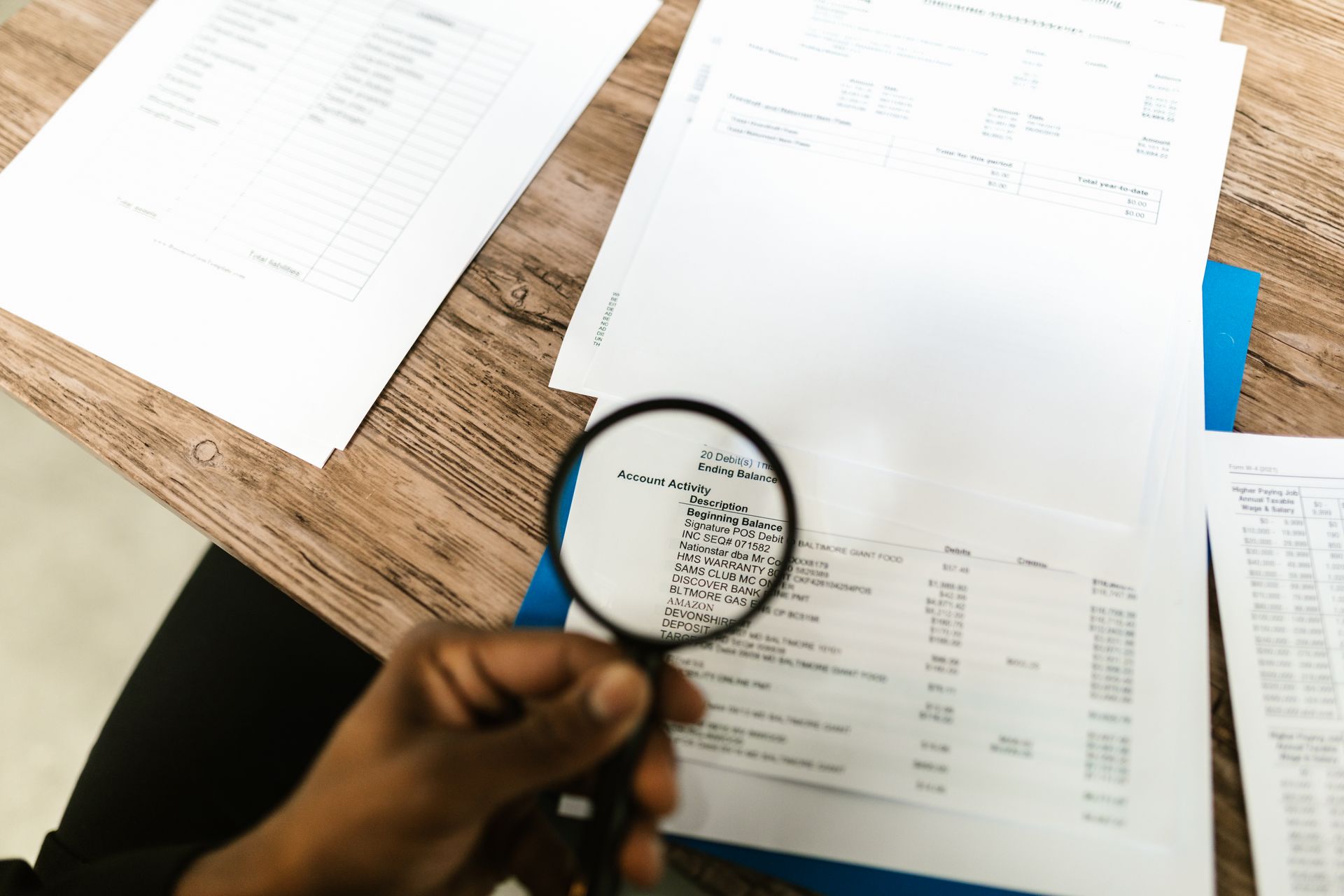
Your credit report is the raw data behind your credit score — and behind most borrowing decisions you will ever face. Yet most people have never actually read theirs. Learning how to check your credit report is one of the highest-value financial skills there is: it costs nothing, takes under half an hour, and regularly surfaces errors, forgotten debts, or surprises that could be costing you money.
This guide walks through where to get your reports, how to read each section, what to look for, and how to dispute mistakes. It is educational information, not financial advice. For how the data turns into a score, see our companion guide what a credit score is.
Key Takeaways
- You can get your credit reports for free from the three major bureaus (Equifax, Experian, TransUnion) — checking them yourself does not hurt your score.
- There are three separate reports, and they often differ — check all three, because a lender may see any one of them.
- Read every section: personal information, accounts, inquiries, collections, and public records — errors hide in each.
- Dispute mistakes in writing with supporting documents; bureaus generally must investigate within 30 days.
- Knowing how to check your credit report regularly turns your credit from a mystery into a managed asset.
Why Your Credit Report Matters More Than You Think
Your credit report feeds far more than loan applications. Landlords check it. Some employers check it. Insurers in many states use credit-based insurance scores derived from it. Utility companies and phone carriers check it before waiving deposits. A single report quietly shapes the terms of your financial life.
The reports also contain errors at a meaningful rate. Regulatory studies have repeatedly found that a significant share of consumers have at least one error on their reports — and some errors are score-damaging: accounts that are not yours, late payments that never happened, debts that should have aged off. Nobody finds these for you. The system assumes you are watching.
Finally, reviewing your reports is the fastest way to spot identity theft. Unfamiliar accounts or inquiries are often the first evidence that someone is using your identity — and catching it early limits the damage enormously.
The Three Bureaus: Why Three Reports
The U.S. has three major credit bureaus — Equifax, Experian, and TransUnion — and each maintains its own file on you. Lenders report to some or all of them, but reporting is voluntary and inconsistent, so the three files often differ: one may show an account the others lack, or a different balance for the same account.
Practical consequences:
- A mortgage lender typically pulls all three and uses the middle score; our mortgage pre-approval guide explains why clean reports matter there.
- A credit card issuer may pull just one — and if that one has an error, you are judged on the error.
- Disputes must be filed with each bureau separately; fixing Equifax does not fix TransUnion.
Check all three, every time. Reviewing one report and assuming the others match is the most common shortcut people take — and it misses real problems.
How to Get Your Free Credit Reports
AnnualCreditReport.com is the official source for free reports from all three bureaus, mandated by federal law. You are entitled to free reports — historically one per bureau per year, with more frequent access expanded in recent years.
The process:
- Visit AnnualCreditReport.com (type it directly — beware lookalike sites).
- Select which bureaus’ reports you want.
- Answer identity-verification questions (these come from your own file — past addresses, loan amounts).
- View or download each report.
Tips:
- Stagger or batch? Either works. Requesting all three at once gives a complete snapshot; staggering them (one every few months) spreads your monitoring across the year. Pick the rhythm you will actually keep.
- Save copies. Download or print each report with the date. Dated copies are evidence if you later need to prove what a report showed.
- Beware the upsell gauntlet. The official site may offer paid products alongside your free reports. You can decline everything — the free reports are the point.
- Your bank may offer free monitoring. Many banks and card issuers now show a free score and sometimes report summaries, updated monthly. These are useful supplements, not replacements — they usually show only one bureau and less detail than the full report — but they are excellent early-warning systems between your full annual reviews.
Checking your own reports creates soft inquiries only — they never affect your score. The myth that checking hurts your score persists, but it is simply wrong; only lender hard inquiries can have a small temporary effect.
How to Read Your Credit Report, Section by Section
Reports look intimidating but follow a consistent structure. Walk through each section:
1. Personal information
Name(s), addresses, date of birth, Social Security number (partially masked), and employers. This section does not affect your score, but errors here — an address you never lived at, a name variation you do not recognize — can signal file-mixing with someone else’s data or identity theft. Confirm every line is yours.
2. Account history (tradelines)
The heart of the report: every credit account, open or closed, typically going back up to 7–10 years. For each account check:
- Account status: open, closed, paid — does it match reality?
- Payment history: any late payments marked? Are the dates right?
- Balance and limit: current balance accurate? Credit limit reported correctly? (Understated limits inflate your utilization — a score-damaging error.)
- Account type and responsibility: individual, joint, authorized user — is your role described correctly?
- Date opened: wrong dates shorten your apparent credit age.
Pay special attention to accounts you do not recognize — these are the identity-theft red flags — and to closed accounts still showing balances, which should show zero.
3. Inquiries
Two kinds: hard inquiries (from your applications — visible to lenders, minor score impact) and soft inquiries (your own checks, pre-approvals, account reviews — invisible to lenders, no impact). Verify every hard inquiry corresponds to an application you actually made. Unfamiliar hard inquiries suggest someone applied for credit in your name.
4. Collections and delinquencies
Unpaid debts sent to collectors appear here (and sometimes as separate tradelines). For each: is the debt yours? Is the amount right? Is the date accurate — because the 7-year reporting clock runs from the original delinquency, and illegally “re-aged” debts are a known violation. Debts you already paid that still show as unpaid need disputing with proof of payment.
5. Public records
Bankruptcies are the main item still reported here (tax liens and most judgments are no longer included on reports). Confirm any bankruptcy entry shows the correct type, filing date, and discharge status.
What to Look For: The Error Checklist
Run every report against this checklist:
- [ ] Accounts that are not yours — the most serious error; dispute immediately
- [ ] Late payments you never made — check dates against your records
- [ ] Wrong balances or credit limits — especially understated limits
- [ ] Duplicate entries — the same debt listed twice (often once by the original creditor and once by a collector)
- [ ] Re-aged debts — collection accounts with dates newer than the original delinquency
- [ ] Paid debts shown as unpaid — keep payment confirmations forever
- [ ] Closed accounts shown as open (or open shown as closed)
- [ ] Wrong personal information — addresses, names, employers you do not recognize
- [ ] Hard inquiries you did not authorize
- [ ] Stale negative items past the 7-year mark (10 for some bankruptcies)
Note anything questionable in writing, with the bureau name, account name, and what looks wrong. This becomes your dispute file.
How to Dispute Errors Step by Step
Found an error? The Fair Credit Reporting Act gives you the right to dispute, and a defined process:
- Gather evidence. Payment confirmations, account statements, correspondence — anything proving the entry is wrong. Disputes with documentation succeed far more often than bare assertions.
- Write to the bureau. You can dispute online, by mail, or by phone, but written disputes (online or certified mail) create a paper trail. State clearly: what the item is, why it is wrong, and what correction you want. Attach copies (never originals) of your evidence.
- The bureau investigates. The bureau generally has 30 days to investigate, contacting the company that reported the data (the “furnisher”). The furnisher must verify or correct.
- Review the results. The bureau sends written results. If the error is fixed, confirm it on your next report pull — and check whether the same error appears at the other two bureaus (dispute there too if so).
- Escalate if needed. If a legitimate dispute is rejected, you can add a consumer statement to your file explaining your side, dispute directly with the furnisher, or consult a consumer-protection attorney — willful violations of dispute law carry statutory damages.
Keep copies of everything: your dispute letters, evidence, and the bureau’s responses. Disputes are one area where organized paperwork pays directly.
What not to do: do not hire “credit repair” companies that promise to remove accurate negative information — they cannot legally do what accurate reporting allows, and many charge for dispute letters you can send yourself for free. Our credit building guide covers legitimate improvement strategies.
How Often Should You Check?
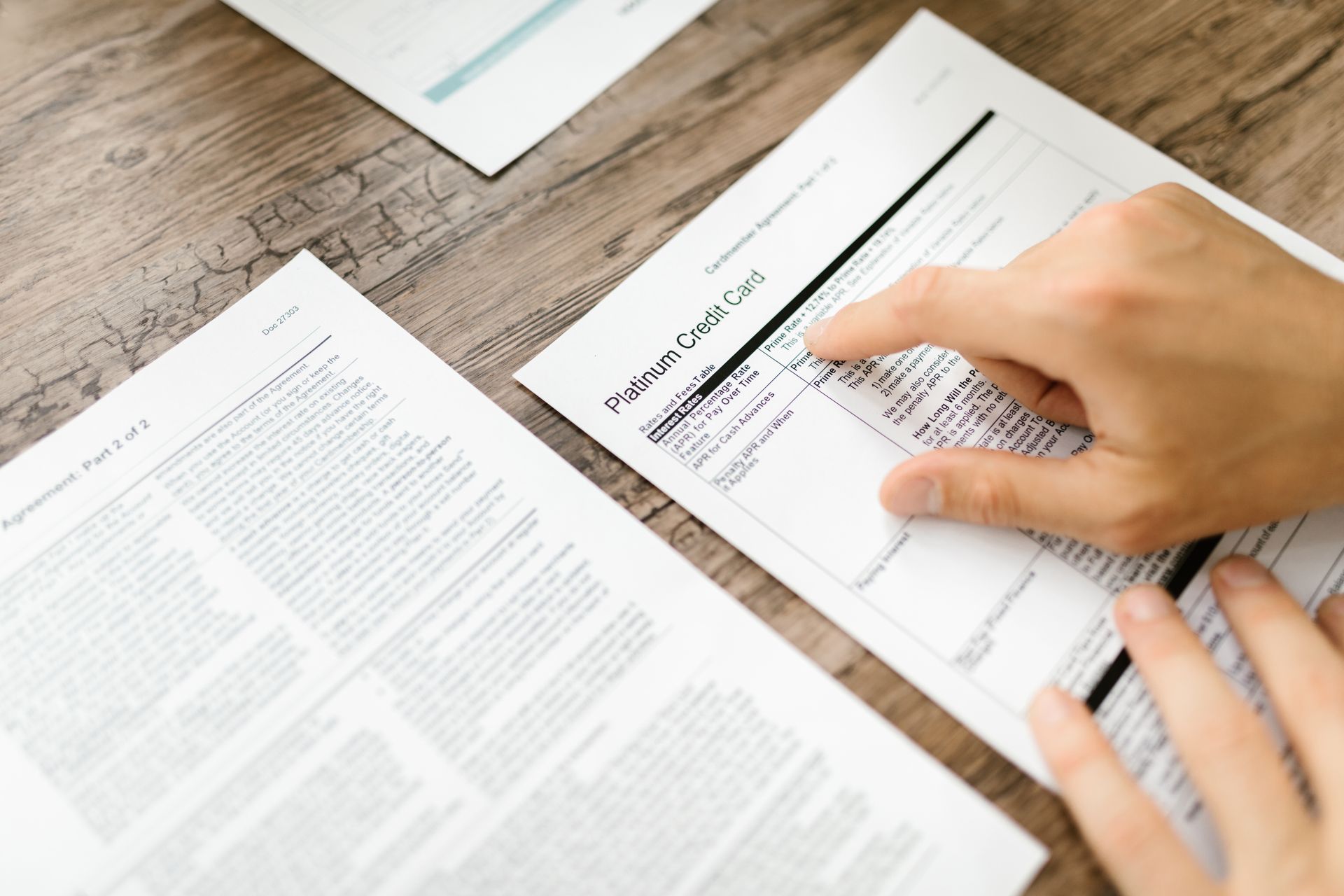
A sensible cadence:
- Full reports from all three bureaus: at least annually — more often if you are preparing for a major application.
- Before any major borrowing: check 3–6 months before a mortgage or business loan application, so there is time to dispute errors.
- Free monitoring alerts: enable whatever free monitoring your bank or the bureaus offer for ongoing early warning between full reviews.
- After identity-theft scares: immediately, and consider freezes (below).
More frequent checking is fine — remember, your own checks never hurt your score. The right frequency is the one you will sustain; an annual ritual beats an ambitious monthly plan you abandon.
What to Do After a Clean Review
Suppose you check all three reports and find no errors. The exercise was not wasted — it produces three valuable outputs:
A baseline. Save the dated reports. Future reviews compare against this baseline, making changes (new accounts, balance shifts, status changes) easy to spot. Without a baseline, you are re-learning your file every time.
A borrowing-readiness verdict. If your reports are clean and your accounts current, you know you are looking at lenders with your best foot forward — useful before the mortgage pre-approval or business loan application steps. If the reports reveal thin history instead of errors, you know to build before you borrow.
A monitoring plan. Set calendar reminders: full three-bureau review annually, quick monitoring checks quarterly, freezes maintained continuously. The plan matters more than the review — credit management is maintenance, not a one-time project.
A clean report is also the moment to consider whether your file is strong, not just error-free. Long, clean, diverse account history with low utilization is what earns the best terms — and building that is a longer project our credit building guide covers step by step.
Writing an Effective Dispute Letter
If you dispute by mail rather than online, structure helps. A strong dispute letter contains:
- Your identification — full name, address, date of birth, and the report confirmation number if you have it.
- Precise item identification — the creditor name, account number (partial is fine), and the bureau’s item reference, so there is no ambiguity about which entry you mean.
- A clear statement of the error — one or two sentences: what the report says versus what is true. (“This account shows a 60-day late payment in March 2025. I have never been late on this account; the enclosed statements show on-time payment.”)
- The correction requested — remove the item, correct the status, update the balance. Be specific.
- Enclosed evidence — copies of statements, payment confirmations, correspondence. Reference each enclosure in the letter.
Keep the tone factual and professional — dispute processors handle volume, and clear, documented letters move faster than emotional ones. Send by certified mail with return receipt requested, and keep copies of everything. For online disputes, the same principles apply: precise item identification, clear error statement, uploaded evidence.
Freezes, Fraud Alerts, and Locks: Extra Protection
Checking reveals problems; these tools prevent them:
Credit freeze. Free at all three bureaus. A freeze blocks new creditors from accessing your report, which stops most identity-theft account openings cold. You temporarily lift (“thaw”) it when you apply for credit yourself. There is no score impact and no cost — the main hassle is remembering to thaw before applications. For most people, freezing all three bureaus is the single best identity-protection step available.
Fraud alert. A one-year (or extended seven-year, for identity-theft victims) flag telling creditors to take extra steps verifying your identity before opening accounts. Less restrictive than a freeze but also less protective.
Credit lock. The bureaus’ own app-based products — similar to freezes but operated through their apps, sometimes with premium tiers. A freeze accomplishes the core protection for free; locks are a convenience alternative.
If your reports ever show accounts you did not open, freeze immediately, file disputes, and consider an identity-theft report with the FTC and a police report — the documentation trail matters.
Special Situations
Thin or no file. Young adults and newcomers may have little or no report — there is nothing to check yet. Our guide to building credit from scratch covers starting the file properly.
After major life events. Divorce, a deceased spouse, or name changes create report complications — joint accounts, authorized-user tangles, mixed files. Review carefully after each.
Authorized-user accounts. Accounts where you are an authorized user (not the owner) appear on your report and affect your score — sometimes positively, when the primary holder manages the account well, and sometimes negatively. If the primary holder mismanages the account, your report suffers for behavior that is not yours — you can ask to be removed as an authorized user, and the account should then drop from your file.
Medical debt. Recent rule changes have removed many medical collections from reports and added grace periods. If old medical collections still appear, verify they comply with current reporting rules — this is a frequent dispute win.
Frequently Asked Questions
Does checking my own credit report lower my score?
No. Personal checks are soft inquiries with zero score impact. This is one of the most persistent credit myths. Check as often as you like — the only inquiries that can affect your score are hard inquiries from your own applications for credit.
How do I check my credit report for free?
Use AnnualCreditReport.com, the official federally-mandated source for free reports from Equifax, Experian, and TransUnion. Avoid lookalike sites with similar names that push paid products. Your bank or card issuer may also offer free score and summary monitoring as a supplement.
Why do my three credit reports look different?
Lenders are not required to report to all three bureaus, and they update on different cycles — so each bureau’s file is genuinely different. That is exactly why you must check all three: the report with the error might be the one your next lender pulls.
How long does it take to fix an error?
Bureaus generally have 30 days to investigate a dispute. Simple errors with good documentation often resolve in one cycle (2–6 weeks). Complex cases — mixed files, identity theft — can take several rounds. Start disputes the moment you find errors, especially before a planned application.
What should I do if I find accounts I did not open?
Treat it as identity theft until proven otherwise: freeze your credit at all three bureaus immediately, dispute the fraudulent accounts, file an identity-theft report with the FTC, consider a police report, and review the other two bureaus’ reports for more fraud. Act fast — early action limits the damage.
How long do negative items stay on my credit report?
Most negative items — late payments, collections, charge-offs — remain for seven years from the original delinquency date. Chapter 7 bankruptcies stay for ten years; Chapter 13 for seven. Positive closed accounts can remain for up to ten years. The impact of negative items fades over time even before they drop off, which is why recent good behavior matters more than old mistakes.
Can I remove accurate negative information?
Generally no — accurate negative items (real late payments, real collections) stay for their reporting period, typically seven years. Anyone promising to remove accurate information is selling something the law does not allow. Focus on fixing errors and building positive history going forward; time plus good behavior is the legitimate path.

Conclusion
How to check your credit report comes down to a repeatable habit: pull all three reports from AnnualCreditReport.com, read every section against the error checklist, dispute mistakes in writing with evidence, and set a cadence — at least annually, and before every major application. Add credit freezes for protection, and you have turned a confusing system into a managed one.
Your reports are the foundation every lender reads first — before your application, before your story, before anything you say in person. The borrowers who get the best terms are not just the ones with the best behavior — they are the ones who verify the record reflects it, dispute what is wrong, and protect the file with freezes between reviews. This guide is educational, not financial advice; the habit it describes costs nothing and pays for years. Continue with our credit score guides for building, improving, and protecting your credit.