

What Happens If You Miss a Personal Loan Payment?
It happens to careful borrowers too: a changed bank account, a forgotten due date, a month where everything hits at once. Missing a personal loan payment feels alarming, but panic is the least useful response. What matters is understanding exactly what happens next — the timeline of fees, the credit-report consequences, and the steps that limit the damage. This guide walks through the practical reality of a missed personal loan payment and what to do about it. Educational information only — not financial advice.
The First Few Days: Grace Periods and Late Fees
Most personal loan agreements include a grace period — a window after the due date during which a payment can arrive late without triggering a late fee. The length varies, but the concept is standard: the lender recognizes that payments can be delayed by weekends, bank processing times, or simple forgetfulness.
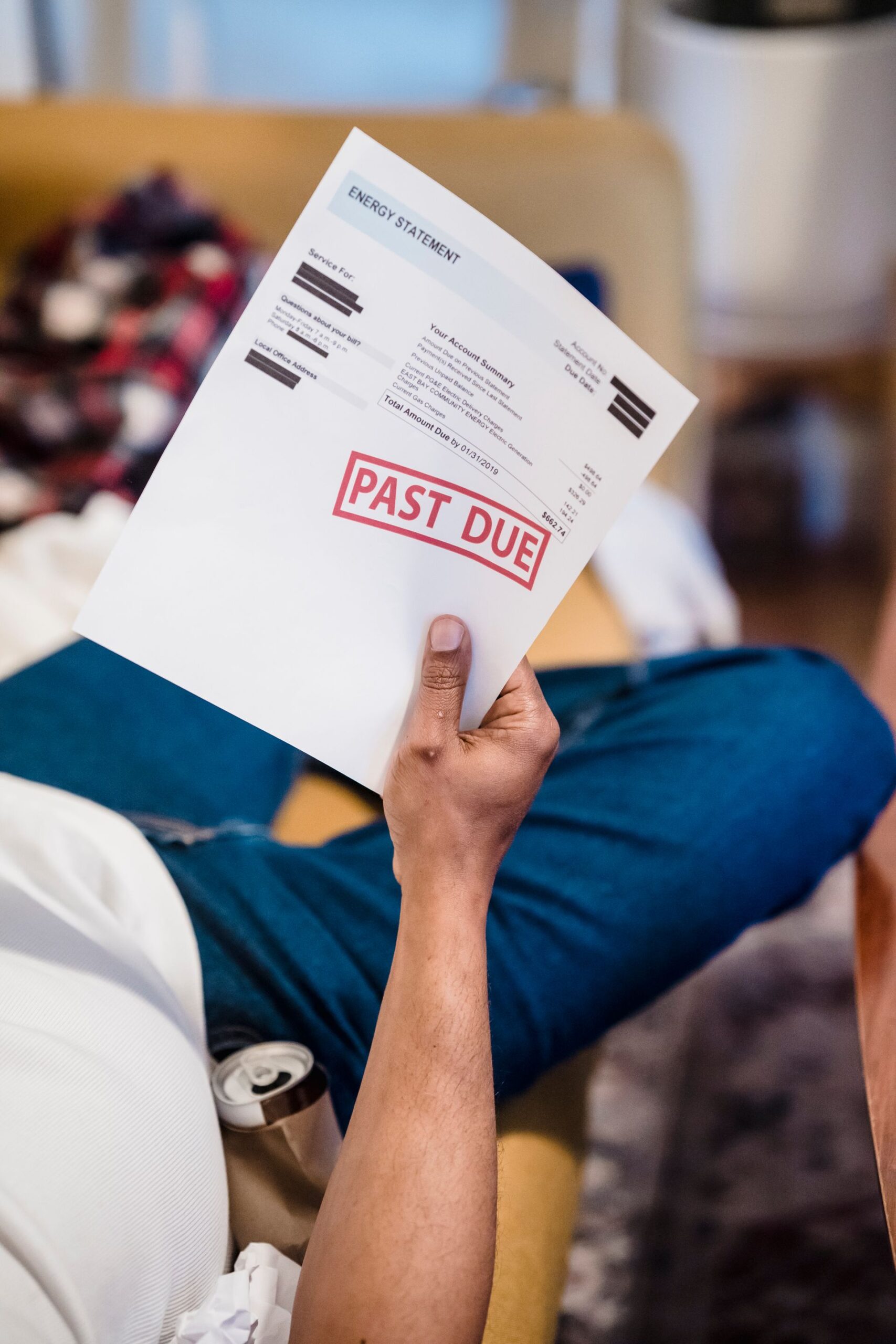
Here is what typically unfolds in the first days after a missed due date:
- Day 1–grace period end: No late fee yet, but interest continues to accrue on the outstanding balance. If you pay within the grace period, the financial damage is usually limited to a few days of extra interest.
- Grace period ends: The late fee specified in your agreement is charged. It may be a flat amount or a percentage of the overdue payment.
- Lender outreach begins: Expect reminders by email, text, or phone. These are routine — respond rather than ignoring them, because engagement generally leads to better outcomes. A two-minute reply explaining that payment is on its way can prevent the account from being flagged for formal collections workflows.
The single most valuable action in this window is speed. Borrowers who pay within the grace period often find the incident leaves no trace beyond a few days of additional interest — no fee, no report, no record. That clean outcome is available only to those who act before the grace period expires, which is why checking your account the moment you suspect a miss is always worth the two minutes it takes. Every day you wait adds interest and moves you closer to fee thresholds and reporting thresholds. If you can pay within the grace period, do it immediately — the incident may leave no lasting trace at all.
The 30-Day Mark: Credit Reporting Begins
The most consequential threshold in a missed-payment timeline is typically around 30 days past due. Lenders generally report delinquencies to the credit bureaus once a payment is 30 or more days late. Before that point, the missed payment is a matter between you and the lender; after it, the delinquency becomes part of your credit file, visible to future lenders.
A 30-day delinquency on your report can lower your credit score significantly, with the impact depending on your overall profile — borrowers with previously clean files often see the largest drops, precisely because they had the most to lose. The mark remains on your report for years (commonly up to seven), though its influence fades with time as you rebuild positive history.
This is why the advice is always the same: if you cannot pay in full, pay something, and communicate. A partial payment combined with a documented plan is viewed very differently — by both lenders and scoring models — than silence. If full payment is impossible this month, call before the due date rather than after: lenders can sometimes note the account, adjust the due date, or set up a short-term arrangement — options that largely disappear once the payment is already late. For the mechanics of how delinquencies affect scoring, see our guide on how hard inquiries affect your credit score — and for the longer recovery journey, our guide on rebuilding credit after missed payments.
Key Takeaways
- Act fast. Paying within the grace period often limits the damage to a few days of extra interest.
- The ~30-day mark is the critical threshold where a missed payment typically becomes a credit-report delinquency.
- Communicate with your lender. Proactive contact leads to better options than avoidance, including hardship arrangements.
- One missed payment is recoverable. The recovery playbook — pay, communicate, rebuild — works when followed consistently.
- This guide is educational, not financial advice. For serious debt difficulties, consider speaking with a nonprofit credit counselor or qualified professional.
60, 90, and 120+ Days: Escalation
If the account remains unpaid, the situation escalates on a fairly standard timeline:
- Around 60 days past due: Additional late fees accrue, and the delinquency deepens on your credit report. Lender contact becomes more frequent and more formal.
- Around 90 days past due: The account is now seriously delinquent. The lender may restrict your account, demand the full overdue amount, and begin discussing formal collection steps.
- 120+ days past due: Many lenders charge off the debt — an accounting action declaring it unlikely to be collected — and either pursue collections internally or sell/assign the account to a collection agency. A charge-off is among the most damaging marks a credit file can carry.
At each stage, the options narrow and the costs rise. But note the pattern: every stage still offers better outcomes for borrowers who engage than for those who disappear. Lenders have entire departments dedicated to working with struggling borrowers, because a restructured payment they receive beats a written-off debt they do not. This is not charity; it is arithmetic from the lender’s side, and understanding that removes much of the fear around picking up the phone.
What to Do Immediately: A Step-by-Step Recovery Plan
If you have missed a payment — or see one coming — work this list in order:
- Confirm the facts. Log in to your account and verify the missed payment: the amount, the due date, and whether a late fee has been charged. Check whether you are still inside the grace period.
- Pay what you can, now. Even a partial payment demonstrates good faith and reduces the balance on which interest accrues. Do not wait until you can pay the full amount if that wait pushes you past the 30-day threshold.
- Call your lender. Explain the situation briefly and honestly, and ask what options exist: a payment deferral, a modified schedule, a hardship program, or a fee waiver for a first-time lapse. Get any agreement in writing.
- Set up autopay or reminders. Most missed payments are accidents, not inability. Automatic payments — with a low-balance alert on the funding account — prevent repeats.
- Review your budget. If the miss was about cash flow rather than forgetfulness, the payment schedule may no longer fit your finances. Understanding your full picture is the first step to fixing it.
- Monitor your credit reports. Check whether and when the delinquency appears, and verify its accuracy — wrong dates or amounts can and should be disputed.
Talking to Your Lender: What to Say and Ask
Many borrowers dread this call, but lender hardship teams handle these conversations all day. A productive call has a simple structure:
- State the facts briefly: which payment was missed, why, and what has changed.
- State what you can do: the amount you can pay now and a realistic proposal for catching up.
- Ask specifically: “What hardship or payment assistance options do you offer?” “Can the late fee be waived as a one-time courtesy?” “Will you agree not to report the delinquency if I pay by [date]?” (Get any such agreement confirmed in writing — verbal promises, as our guide on reading a personal loan agreement emphasizes, do not bind anyone.)
- Take notes: the representative’s name, the date, and exactly what was agreed. If a fee waiver or reporting concession is promised, ask for written confirmation by email before hanging up — a promise you cannot prove is a promise you cannot enforce.
Be honest about your situation — hardship programs are designed for real difficulty, and misrepresenting your finances helps no one. And if the first representative cannot help, politely ask to escalate: hardship and loss-mitigation departments have authority that front-line agents do not.
Hardship Programs and Payment Arrangements
When borrowers fall behind due to genuine hardship — job loss, illness, emergency expenses — many lenders offer formal assistance. Common arrangements include:
- Payment deferral (forbearance): one or more payments are paused, with the missed amounts typically added to the end of the loan term or repaid over subsequent months. Interest usually continues to accrue.
- Modified payment plan: temporarily reduced payments for a defined period, with a plan to return to the regular schedule.
- Fee waivers: late fees waived as a one-time courtesy, most commonly offered to borrowers with previously clean histories.
- Due-date change: a permanent shift of your payment date to better align with your pay cycle — a simple fix that prevents many repeat misses.
Important nuances: entering a hardship arrangement is far better than defaulting, but ask how the arrangement is reported to the bureaus. Some are reported neutrally; others may be noted in ways future lenders can see. Also confirm whether interest accrues during the arrangement and how the deferred amounts are ultimately repaid — a deferral that balloons into an unaffordable lump sum is not a solution.

The Co-Borrower and Household Dimension
A missed payment rarely affects only the borrower. If the loan has a co-borrower, the delinquency typically appears on both credit files — a fact co-signers often discover too late. If you share finances with a partner, a missed payment can strain the relationship alongside the budget.
Handle the human side directly: inform co-borrowers immediately, agree on a catch-up plan together, and set up shared visibility (account alerts to both parties, for example). Financial surprises damage trust far more than financial problems handled openly. If you co-signed for someone else’s loan and they missed a payment, you have the same recovery options — and the same urgency — as the primary borrower.
Preventing the Next Miss: Systems That Work
One missed payment is an incident; two is a pattern. Build systems that make repeats unlikely:
- Autopay from a dedicated account. Keep a bills-only checking account funded with one month’s obligations as a buffer, and run all loan payments from it automatically.
- Calendar redundancy. Due-date reminders a week before and the day before, on whatever system you actually check.
- Payday alignment. If your lender allows due-date changes, align payment dates with paydays so money is present when the debit hits.
- Low-balance alerts. A text alert when the funding account drops below a threshold catches problems before the payment bounces.
- An emergency buffer. Even a small cash reserve — enough to cover one month of loan payments — transforms a surprise expense from a missed payment into a non-event.
The goal is to make on-time payment the default outcome requiring no willpower, rather than a monthly achievement requiring attention. Automation beats intention. Review the system quarterly: accounts change, cards expire, and paydays shift. A fifteen-minute quarterly check of every autopay arrangement is cheap insurance against the most common cause of accidental misses.
Missed Payment vs. Default: Knowing Where the Line Is
Borrowers often use “missed payment” and “default” interchangeably, but your loan agreement almost certainly distinguishes them — and the distinction matters enormously. A missed payment is a late payment: you owe the amount plus any fee, and the clock is ticking. Default is the agreement’s formal declaration that you have seriously breached the contract, and it unlocks the lender’s heavy remedies, including acceleration (demanding the entire balance at once).
The agreement defines exactly what constitutes default — often a specific number of days past due or a pattern of missed payments — and whether you receive a formal notice and a chance to cure (fix) the breach first. Read that section now, before you ever need it: knowing the precise trigger removes the fear of the unknown and tells you exactly how much runway you have. Our guide on reading your loan agreement walks through the default clause in detail, and it is the single most useful section to understand when payments get difficult.
The practical implication: a single missed payment handled within weeks almost never approaches default territory. Default is what happens when missed payments accumulate without engagement. The line between them is measured not just in days but in communication — borrowers who stay in contact with their lender rarely cross it by surprise.
What Happens to Autopay After a Miss
If the missed payment happened despite autopay — a failed debit from insufficient funds, an expired card, a changed account — fix the mechanism, not just the payment. A surprising number of repeat misses trace back to autopay failures the borrower assumed were working:
- Check the funding account. Confirm the debit actually left the account; a “scheduled” payment that never executed is the most common autopay failure.
- Update expired credentials. Cards expire, accounts close, passwords change. Review every autopay source annually.
- Confirm the lender received it. After fixing the mechanism, verify the next payment actually arrives — one confirmation cycle closes the loop.
- Watch for fees on both sides. A failed debit can trigger both a lender returned-payment fee and a bank overdraft fee. Address both.
Autopay is the best prevention system available, but only when it is verified working. Trust, then verify, then stop thinking about it.
The Psychology of Avoidance — and How to Beat It
The most damaging response to a missed payment is not financial but psychological: avoidance. Unopened letters, ignored calls, unlogged accounts. Avoidance feels protective in the moment — if you do not look, the problem is not real — but every week of avoidance converts a manageable incident into a structural one. Fees compound, reporting thresholds pass, and options narrow.
The antidote is a simple rule: touch the problem within 48 hours. Log in, look at the numbers, make the call. Borrowers consistently report that the dread beforehand was worse than the conversation itself — lender representatives handle these calls routinely and without judgment. The second rule: separate shame from strategy. A missed payment is a data point about cash flow or systems, not a verdict on your character. People who treat it as an engineering problem (what failed, how do I fix the system) recover faster than people who treat it as a moral one.
If avoidance has already stretched a short lapse into months, the same rules apply — just start today. Lenders would rather negotiate a recovery plan now than write off the debt later, and that preference is your leverage no matter how long the silence has lasted.
Frequently Asked Questions
How late can a payment be before it affects my credit score?
Lenders typically report delinquencies once a payment is about 30 days past due. Before that threshold, the issue is generally between you and the lender (late fees, contact), without a credit-report mark.
Will one missed payment ruin my credit forever?
No. A single delinquency hurts, but its influence fades over time — especially as you accumulate new on-time payments afterward. The mark may remain visible for years, but its scoring impact diminishes steadily with good behavior.
Should I take another loan to cover the missed payment?
Be very cautious. Borrowing to service debt can help in a genuine short-term timing crunch, but as a pattern it deepens the hole. Address the underlying cash-flow issue first; new borrowing without a plan usually makes things worse.
Can the lender demand the full loan balance after one missed payment?
Loan agreements typically define default as a more serious or repeated breach, not a single late payment — but the agreement’s acceleration clause is the authoritative answer for your loan. Read it (or re-read our guide on how to read a personal loan agreement) so you know exactly where the line is.
What if I cannot afford the payment at all anymore?
Contact your lender about hardship options before the situation deteriorates, and consider speaking with a nonprofit credit counseling agency. These agencies offer free or low-cost budget counseling and can sometimes negotiate structured repayment plans with creditors on your behalf.
If I pay the missed amount, will the late fee be removed automatically?
Not usually. The late fee is a separate charge governed by your agreement, and paying the overdue amount does not automatically reverse it. However, many lenders waive a first-time late fee on request — especially for borrowers with clean histories. It costs nothing to ask, so ask.
What records should I keep after catching up?
Keep the payment confirmation, any written agreement with the lender (deferral terms, fee waiver confirmation), and notes from phone calls (date, representative name, what was agreed). If a dispute arises later about what was promised, contemporaneous notes are invaluable.
Does a missed payment affect my ability to get future loans?
Yes, potentially — lenders reviewing your file will see the delinquency and may offer less favorable terms or decline applications, particularly in the first year or two afterward. Consistent on-time payments afterward rebuild your standing steadily.

Conclusion
A missed personal loan payment is a setback, not a sentence. The borrowers who recover fastest share a pattern: they act within days, not months; they call the lender instead of avoiding the call; they fix the system that allowed the miss; and they rebuild with boring, consistent on-time payments afterward. The timeline of consequences — grace period, late fee, 30-day reporting threshold, escalation — is knowable in advance, which means it is manageable. Read your agreement, know your thresholds, and if a payment ever slips, work the recovery plan immediately. This guide is educational and not financial advice; for serious or persistent debt difficulty, seek guidance from a qualified professional or nonprofit counselor.
More practical guidance in our Personal Loans section.
[…] at least the minimum the day the loan funds, and treat that payment as non-negotiable as rent. Our guide to missed personal loan payments details exactly what a slip […]